Hot, humid summers make a working air conditioner one of the most important appliances in a Wood River home. Neglect the system, and the next thing you know a small problem turns into a compressor failure that costs thousands. Care for it, and you can delay replacement, lower energy bills, and avoid emergency calls when temperatures climb above 90 degrees. This article lays out practical, budget-wise strategies for maintaining your air conditioner so it runs reliably and economically, with real-world examples and trade-offs based on hands-on experience. Wherever local expertise matters, I mention what to expect from professional services such as AC repair in Wood River IL and AC maintenance in Wood River without overselling any single provider.
Why small investments matter
A system that receives routine attention uses less electricity and suffers fewer premature failures. For a typical central split system in southern Illinois, a neglected unit can use 10 to 25 percent more energy than a well-maintained one. That difference shows up directly on monthly electric bills. Beyond energy, routine maintenance catches issues early: a clogged coil, failing capacitor, or low refrigerant count can be diagnosed and repaired for a few hundred dollars instead of the thousands that follow a compressor seizure or major leak.
I once worked on a home where the owner ignored an annual tune-up for five years. The evaporator coil had corroded partially and a pinhole leak in a refrigerant line dropped performance. Repairing the leak and replacing the coil would have cost nearly as much as a mid-range replacement unit, but because the homeowner scheduled a timely replacement after the diagnosis, they avoided repeated service calls and saw a marked drop in bills the first summer after installation.
What to inspect and why it saves money
A single, thorough inspection during spring can prevent a slew of summer headaches. Good technicians check refrigerant charge, electrical connections, capacitor condition, fan motors, and coil cleanliness. Refrigerant problems are often the symptom, not the cause. Low refrigerant typically indicates a leak. Adding refrigerant without locating and repairing the leak is temporary and expensive in the long run. Electrical problems are equally dangerous. Loose connections and failing capacitors create heat and arcing, which can damage the compressor and raise service costs exponentially.
Coil cleanliness is another place to save. Outdoor condenser coils coated in dust, pet hair, and pollen have to work harder to reject heat. That increases compressor run time and shortens equipment life. A sensible cleaning with a coil-safe cleaner and straightening fins where necessary restores airflow and efficiency for a modest labor charge.
Two practical maintenance checklists
Below are two concise, action-oriented lists to use as quick reminders when you inspect your system or speak to a service technician. They focus on high-impact tasks that cost little but produce measurable savings and reliability.
- Seasonal maintenance checklist: schedule a spring tune-up, replace filters every 1 to 3 months depending on household, clean condenser coil, inspect and clean drain line, verify thermostat calibration. Warning signs that justify immediate service: weak airflow from vents, warm air when thermostat is set to cool, short cycling (on/off frequently), unusual noises like grinding or hissing, sudden spike in electric bill without increased usage.
How much should you expect to pay
Routine maintenance visits in this market typically cost between $75 and $200 for a homeowner’s tune-up, depending on scope. A more detailed inspection that includes refrigerant testing and electrical component checks might be on the higher end of that range. Repairs vary widely. Replacing a capacitor or contactor often runs a few dozen to a few hundred dollars. Recharging refrigerant can cost several hundred depending on the type and amount. Compressor failures and major coil replacements push the bill into the thousands. The economics are straightforward: an annual tune-up for under a few hundred dollars can prevent many of the expensive fixes.
Cost-effective decisions when a part fails
Not every failed component requires immediate replacement of the entire system. Deciding whether to repair or replace depends on age, efficiency, and anticipated remaining lifespan. A general rule: if the unit is under 8 years old and the repair costs less than 30 percent of the replacement price, repair it. If it is over 12 years old and the cost is more than 40 percent of replacement, consider replacing. Between those ranges, weigh energy efficiency gains from a new unit against available budget.
For example, replacing a malfunctioning fan motor in a 6-year-old Goodman or Lennox outdoor unit might cost $300 to $600, and is often a no-brainer. By contrast, if the compressor fails on a 13-year-old unit with an aging evaporator coil, the combined repair could approach half the cost of a new system with a modern SEER rating. Newer systems offer higher seasonal energy efficiency ratios and can lower monthly bills by 15 to 30 percent in some cases, which shortens the payback period for replacement in homes with high summer cooling loads.
DIY maintenance that actually helps
Some maintenance tasks are safe and effective for homeowners, and they can shave operating costs without voiding warranties when done correctly. Replace disposable filters regularly, keep return-air registers and supply vents clear of clutter, and maintain good clearance around the outdoor unit so airflow is not restricted. Trimming shrubs to keep at least two feet of clearance on all sides and four feet above the unit reduces debris build-up and improves heat rejection.
Cleaning the outdoor coil with a gentle spray from a garden hose can remove light debris. Avoid high-pressure washers or harsh chemicals that can damage fins. Straighten a few bent fins with a fin comb if you have one. Flush the condensate drain with a cup of white vinegar every few months to reduce mold and algae growth. These actions take an hour or less and yield measurable benefits.
When to call a professional
Call for professional service when you see warning signs from the earlier checklist, when the unit does not respond to simple DIY fixes, or when your system uses refrigerant types AC Repair in Wood River IL B & W Heating & Cooling that require certified handling. Refrigerant handling has regulatory and safety requirements, and professionals have the vacuum pumps, gauges, and experience to diagnose leaks and recharge correctly. Electrical work, wiring diagnostics, and compressor replacement are also tasks best left to a licensed technician. Local providers who offer AC repair in Wood River IL commonly bundle diagnostic fees with repair charges when you authorize the work, so it can be economical to have a professional visit rather than trial-and-error DIY.
Choosing the right professional: questions to ask
Experience matters, but so does transparency. When you contact a company for AC installation in Wood River or AC repair in Wood River IL, ask these things: Are you licensed, bonded, and insured? Can you provide references or online reviews from recent local customers? Do you offer a written estimate and explain options? Will they check refrigerant pressures and record voltages? Good companies should also explain how long the work will take and provide a clear warranty on parts and labor.
Avoid technicians who suggest adding refrigerant without explaining why the system is low, or who push for expensive replacements without presenting repair alternatives. A reliable technician will show measurements like suction and discharge pressures, amp draws, and temperature splits so you understand the diagnosis. B & W Heating & Cooling is one local name homeowners often hear about in this area. If you use a company with local experience, you'll benefit from technicians who understand the regional climate, common failure modes in systems around here, and local code requirements for installation.
Energy-saving tweaks that pay back quickly
Small changes in how you operate your system can cut bills. Raising the thermostat by two to three degrees during the day and using a programmable or smart thermostat to back off a few degrees while the house is unoccupied can reduce cooling energy by 6 to 12 percent. Ensure attic insulation and ductwork sealing are up to par. Leaky ducts in the attic can lose 20 to 30 percent of conditioned air before it reaches living spaces. Sealing visible duct joints with mastic and insulating ducts in unconditioned spaces can produce noticeable savings.
Consider upgrading to a variable-speed air handler or a two-stage compressor when the time comes for replacement. These components modulate output and reduce cycling, delivering steadier temperatures and lower humidity with better efficiency. The upfront cost is higher, but for families that value comfort and lower monthly bills, the payoff is real over the 10 to 15 year life of the system.
Dehumidification and indoor comfort
Wood River summers are humid, and humidity control matters as much as temperature for comfort. A system that runs continuously at high fan speed may blow more air but does not necessarily remove humidity efficiently. Properly sized equipment and correct airflow ensure the system dehumidifies as it cools. If humidity remains high, a stand-alone dehumidifier or a dedicated whole-house dehumidifier integrated with the HVAC system can reduce indoor moisture, prevent mold, and allow higher thermostat setpoints without discomfort. That reduces cooling energy consumption.
Common corners homeowners cut, and why they can be false economy
Some homeowners postpone maintenance to save money, or they hire the cheapest technician who lacks proper certifications. A cheap fix on an older system might deliver short-term relief but hide a worsening underlying problem. Similarly, using wrong-sized refrigerant or bypassing diagnostic steps can lead to compressor damage. Another common shortcut is skimping on thermostat location. Thermostats in direct sunlight or near heat sources cause the system to run longer than necessary.
Short-term savings from cutting corners often turn into longer-term expense. Replacing an air handler motor because capacitors failed repeatedly, instead of finding why they failed, is a recurring cost. Good technicians look for root causes, not just symptoms.
How installation quality affects lifecycle costs
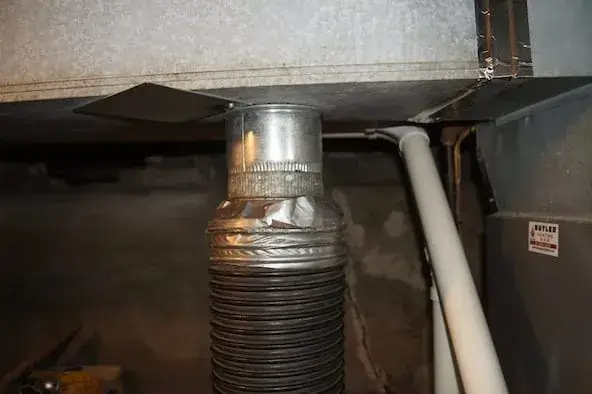
If you need AC installation in Wood River, choose a company that does careful load calculations and matches the indoor coil, outdoor unit, and ductwork. Oversized systems short-cycle and struggle with humidity control. Undersized systems run constantly and wear out sooner. Proper refrigerant charge and matched components maximize efficiency and protect the compressor. Straightforward things like correct line set size, proper refrigerant oil levels, and accurate thermostat wiring matter. Installation mistakes are a hidden tax that eats into the expected life of the equipment.
Anecdote on installation trade-offs
I assisted a homeowner who bought a bargain "high-efficiency" unit online and had a handyman install it. The unit used a different refrigerant and the line sets were not evacuated properly. Within two years the compressor failed, and the warranty was void due to incorrect installation. The lesson: a low initial price can become costly when installation and compatibility are not handled by a qualified technician. Using a reputable local installer might cost more initially, but it preserves warranty coverage and reduces the odds of premature failure.
Financing, incentives, and timing purchases
Replacing an old system is a capital decision. Look for seasonal promotions, manufacturer rebates, and utility rebates for high-efficiency units. Large utilities sometimes offer rebates for retrofits that reduce peak demand. Financing through local HVAC companies often has no-interest or low-rate offers for a promotional period, which can spread the cost while you start saving on electric bills immediately.
Timing matters. Late spring and early fall are often slower for contractors than extreme summer, and you may secure better scheduling and sometimes discounts. If a technician recommends replacement, ask about lead times for equipment and installation so you can plan before peak heat.
Final decision framework
When evaluating repair versus replacement, consider the unit age, cost of the repair relative to replacement, current and expected efficiency, and your future plans for the house. If you plan to stay in the home for several years, a more efficient new system often earns back its cost in lower bills and reliability. If you plan to sell in the next couple of years, a targeted repair may be the most cost-effective path.
Keeping your system healthy is not complicated, but it requires attention. Regular filter changes, an annual professional tune-up, timely repairs performed by a licensed technician, and sensible operational changes will keep most systems working efficiently for a decade or longer. For homeowners in Wood River considering AC repair in Wood River IL, AC maintenance in Wood River, or AC installation in Wood River, bwheatcool.com AC Repair in Wood River IL educate yourself about the common issues outlined here, ask the right diagnostic questions, and choose technicians who document their findings. Small investments now protect against big expenses later, and they keep your home comfortable when heat and humidity make cooling essential.
B & W Heating & Cooling
3925 Blackburn Rd, Edwardsville, IL 62025
+1 (618) 254-0645
[email protected]
Website: https://www.bwheatcool.com/